
ශ්රී ලංකාවේ
බිට්කොයින් මිලදී ගන්නේ කෙසේද?
සම්පූර්ණ මාර්ගෝපදේශයක් (2026)
බිට්කොයින් ශ්රී ලාංකිකයන්ට ඩිජිටල් මුදල් ඉතිරි කිරීමට සහ ආයෝජනය කිරීමට නව ක්රමයක් ලබා දෙන අතර එය එක් බැංකුවක්, සමාගමක් හෝ රජයක් විසින් පාලනය නොකෙරේ. ඔබට ශ්රී ලංකාවේ නීත්යානුකූලව බිට්කොයින් මිලදී ගත හැකි අතර එය ඩිජිටල් වත්කමක් ලෙස තබා ගත හැකිය, යමෙකු රන්, ඉඩම් හෝ කලා කෘති තබා ගන්නා ආකාරයටම. බිට්කොයින් ද සීමා රහිත ය, එනම් එය සාමාන්ය බැංකු ගිණුමක් තුළ නොව ඔබේ දුරකථනයේ හෝ කුඩා උපාංගයක ගබඩා කළ හැකිය.
ශ්රී ලංකාවේ බිට්කොයින් මිලදී ගන්නේ කෙසේදැයි ඔබ කල්පනා කරන්නේ නම්, මෙම මාර්ගෝපදේශය ක්රියාවලිය පියවරෙන් පියවර පැහැදිලි කරනු ඇත. එය ඔබට බිට්කොයින් මුදල් පසුම්බියක් සකසන්නේ කෙසේද, රුපියල් වලින් බිට්කොයින් මිලදී ගන්නේ කෙසේද සහ ඔබ එය මිලදී ගත් පසු එය ආරක්ෂිතව ගබඩා කරන්නේ කෙසේද යන්න පෙන්වනු ඇත. ඉලක්කය වන්නේ සම්පූර්ණ ආරම්භකයෙකුට ක්රියාවලිය පැහැදිලි කිරීමයි.
ශ්රී ලංකා මහ බැංකුව පවසා ඇත්තේ ක්රිප්ටෝ මුදල් නීත්යානුකූල නොවන බවත් දැනට නියාමනය කර නොමැති බවත්ය. මෙයින් අදහස් කරන්නේ ශ්රී ලංකාවේ බිට්කොයින් නිල මුදල් ලෙස පිළි නොගන්නා බැවින් සාමාන්ය දේශීය ගෙවීම් සඳහා ඔබට එය රුපියල් මෙන් භාවිතා කළ නොහැකි බවයි. නමුත් ශ්රී ලාංකිකයින්ට බිට්කොයින් වත්කමක් ලෙස මිලදී ගැනීම, තබා ගැනීම හෝ ආයෝජනය කිරීම වළක්වන නීතියක් නොමැත.
මෙයින් අදහස් කරන්නේ ශ්රී ලංකාවේ බිට්කොයින් හිමිකර ගැනීමට නීත්යානුකූල බවයි, නමුත් ඒ සමඟ ඇති වගකීම ඔබ තේරුම් ගත යුතුය. බිට්කොයින් සාමාන්ය මුදල් ලෙස නොසලකන බැවින්, ඔබ එය ගබඩා කරන ආකාරය සහ ආරක්ෂා කරන ආකාරය සම්බන්ධයෙන් ඔබ වගකිව යුතුය. නීතිමය මුදල්, මුදල් විශුද්ධිකරණය විරෝධී සහ විදේශ විනිමය නීති පිළිබඳ සාමාන්ය නීති ද ඔබ අනුගමනය කළ යුතුය.
2026 දී, රජය ක්රිප්ටෝ සේවා සපයන සමාගම් සඳහා නීති රීති සකස් කිරීම ආරම්භ කළේය. මෙම සමාගම් Virtual Asset Service Providers (අතථ්ය වත්කම් සේවා සපයන්නන් ) හෝ VASPs ලෙස හැඳින්වේ. යෝජිත නීතිවලට අනුව හුවමාරු සහ මුදල් පසුම්බි සපයන්නන් ලියාපදිංචි කිරීම, පරිශීලකයින් සත්යාපනය කිරීම සහ අධීක්ෂණ ප්රමිතීන් අනුගමනය කිරීම අවශ්ය විය හැකිය. එම නීති අවසාන වන තුරු, ශ්රී ලංකාවේ ආරක්ෂිතව බිට්කොයින් මිලදී ගන්නේ කෙසේද, වොලට් එකක් භාවිතා කරන්නේ කෙසේද සහ මිලදී ගැනීමෙන් පසු ඔබේ බිට්කොයින් ආරක්ෂා කර ගන්නේ කෙසේද යන්න තේරුම් ගැනීමට මෙම මාර්ගෝපදේශය ඔබට උපකාරී වනු ඇත.
පියවර 1 – බිට්කොයින් වොලට් එකක් ලබා ගන්න (ශ්රී ලංකාවේ බිට්කොයින් මිලදී ගැනීමට ඔබේ පළමු පියවර)
වොලට් එකක් කියන්නේ, බිට්කොයින් ලබා ගැනීමට, තබාගන්න, සහ යැවීමට පුළුවන් ඇප් එකක් හෝ ඩිවයිස් එකක්. ඒක ඔබගේ බිට්කොයින් තබාගන්න තැනක් වගේ හිතන්න පුළුවන්. හැබැයි ඒක කාසි භෞතිකව තබාගන්නේ නැහැ. ඒ වෙනුවට, ඔබගේ බිට්කොයින් වලට ප්රවේශය ලබාදෙන රහස් කීස් තබාගන්නවා.
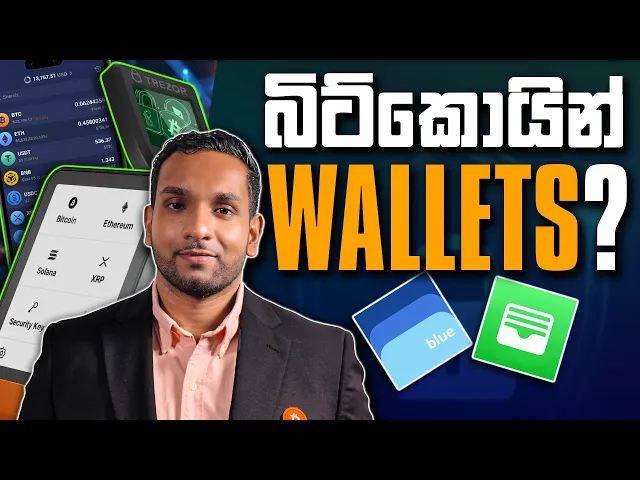
පහළ වීඩියෝ එකෙන් බිට්කොයින් වොලට්ස් සහ බිට්කොයින් වොලට් වර්ග සරල සිංහලෙන් පැහැදිලි කරනවා. ඔබ සම්පූර්ණයෙන්ම අලුත් කෙනෙක් නම්, රුපියල්වලින් බිට්කොයින් මිලදී ගන්න කලින් මූලික කරුණු තේරුම් ගන්න මේ වීඩියෝ එක ප්රයෝජනවත් වෙයි.
වොලට් වර්ග ප්රධාන වශයෙන් දෙකක් තියෙනවා.
පළමු වර්ගය තමයි කස්ටෝඩියල් වොලට්. ඒ කියන්නේ, හුවමාරු වේදිකාවක් වගේ ආයතනයක් ඔබ වෙනුවෙන් ඔබගේ බිට්කොයින් තබාගන්න එකයි. සාමාන්ය ඇප් එකක් වගේ, ඔබ පරිශීලක නාමයක් සහ මුරපදයක් භාවිතා කරලා ලොග් වෙනවා. මේක භාවිතා කරන්න ලේසියි. හැබැයි ඔබගේ බිට්කොයින් ආරක්ෂිතව තබාගන්න ඒ ආයතනය විශ්වාස කරන්න වෙනවා.
දෙවැනි වර්ගය තමයි නොන්-කස්ටෝඩියල් වොලට්. මේකට සෙල්ෆ්-කස්ටඩි වොලට් කියලත් කියනවා. ඒ කියන්නේ ඔබගේ ප්රයිවට් කීස් ඔබම පාලනය කරනවා කියන එකයි. කිසිම ආයතනයකට ඔබගේ ගිනුම අත් හිටුවන්න හෝ ඔබගේ බිට්කොයින් භාවිතා කිරීම නවත්වන්න බැහැ. මේකෙන් ඔබට ඇත්තම සැබෑ හිමිකාරිත්වයක් ලැබෙනවා. හැබැයි ඒ සමඟම, ඔබගේ බැකප් එක ආරක්ෂිතව තබාගන්න වගකීමත් ඔබටම තියෙනවා.
ඔබ හුවමාරු වේදිකාවක ට්රේඩින් කරනවා නම්, හෝ කෙටි කාලයක් සඳහා කුඩා බිට්කොයින් ප්රමාණයක් තබාගන්නවා නම්, කස්ටෝඩියල් වොලට් ප්රයෝජනවත් වෙන්න පුළුවන්.
හැබැයි ඔබට ඔබගේ බිට්කොයින් නිවැරදිව ඔබම පාලනය කරන්න අවශ්ය නම්, විශේෂයෙන් ශ්රී ලංකාවේ බිට්කොයින් මිලදී ගත්තට පස්සේ, සෙල්ෆ්-කස්ටෝඩියල් වොලට් එකක් සාමාන්යයෙන් වඩා හොඳ තේරීමක්.
ඒක ඔබට පාලනය ලබාදෙනවා. හැබැයි ඔබගේ රිකවරි ෆ්රේස් එක ආරක්ෂා කරගන්න විදිහ හොඳින් ඉගෙන ගන්නත් අවශ්යයි.
පුද්ගලික යතුරු සහ රහස් වාක්ය ඛණ්ඩ තේරුම් ගැනීම
ඔබ සෙල්ෆ්-කස්ටෝඩියල් වොලට් එකක් සකසන විට, බැංකු ඇප් එකක් වගේ සාමාන්ය පරිශීලක නාමයක් සහ මුරපදයක් භාවිතා කරන්නේ නැහැ. ඒ වෙනුවට, වොලට් එක ප්රයිවට් කී එකක් නිර්මාණය කරනවා. මේක ඔබගේ වොලට් එකේ තියෙන බිට්කොයින් පාලනය කරන්නේ ඔබ කියලා ඔප්පු කරන රහස් කේතයක්.
සාමාන්යයෙන් ඔබට මේ ප්රයිවට් කී එක දිග code එකක් විදිහට පෙන්වන්නේ නැහැ. බොහෝ වොලට් ඇප්ස් ඒක රිකවරි ෆ්රේස් එකක් ලෙස පෙන්වයි. මේකට සීඩ් ෆ්රේස් කියලත් කියනවා. මේක සාමාන්යයෙන් random වචන 12ක් හෝ 24ක් වෙයි. මේ වචන ඉතා වැදගත්. මොකද ඒවා ඔබගේ බිට්කොයින් වොලට් එකේ බැකප් එකයි.
ඔබගේ වොලට් එක පබ්ලික් ඇඩ්රස් එකක් ද නිර්මාණය කරනවා. ඔබට බිට්කොයින් ලබාගන්න අවශ්ය වෙද්දී, මේ ඇඩ්රස් එක වෙනත් කෙනෙකුට යවන්න පුළුවන්. ඒක කෙනෙකුට ඔබට මුදල් එවන්න ඔබගේ බැංකු ගිණුම් අංකය දෙනවා වගේ හිතන්න පුළුවන්. හැබැයි ඔබගේ රිකවරි ෆ්රේස් එක ඒකෙන් වෙනස්. ඒක කිසිම කෙනෙකුට share කරන්න එපා.
කෙනෙකුට ඔබගේ රිකවරි ෆ්රේස් එක ලැබුණොත්, ඔහුට ඔබගේ බිට්කොයින් ගන්න පුළුවන්. ඔබගේ රිකවරි ෆ්රේස් එක නැති වුණොත්, සහ ඔබට ඔබගේ ෆෝන් එකට හෝ වොලට් එකට පිවිසුම් නැති වුණොත්, කිසිම ආය්තනයකට හෝ සහය කණ්ඩායමකට ඔබගේ අරමුදල් නැවත ලබා දෙන්න බැහැ.
ඒ වචන කඩදාසියක ලියාගන්න, නැත්නම් ලෝහ එකක ලියා තබාගන්න. ඒවා ඔෆ්ලයින් තබාගන්න. කිසි විටෙකත් වෙබ් අඩවියකට ටයිප් නොකරන්න හෝ කිසිවෙකුට යවන්න එපා.
නිර්දේශිත ස්වයං භාරකාර වොලට්
Bitnomi (Sri Lanka-focused)
බිට්නෝමි නිර්මාණය කරලා තියෙන්නේ, රුපියල්වලින් බිට්කොයින් මිලදී ගන්න සරල ක්රමයක් අවශ්ය ශ්රී ලාංකිකයන් සඳහායි.
ජාත්යන්තර හුවමාරු වේදිකාවක් මුලින් භාවිතා කරනවා වෙනුවට, ඔබගේ අනන්යතාවය තහවුරු කළාට පස්සේ, බිට්නෝමි හරහා ශ්රී ලංකාව තුළම රුපියල් භාවිතා කරලා බිට්කොයින් මිලදී ගන්න පුළුවන්.
බිට්නෝමි කියන්නේ සෙල්ෆ්-කස්ටෝඩියල් වොලට් එකක් ද වෙනවා. ඒ කියන්නේ ඔබට ඔබගේම රිකවරි ෆ්රේස් එක ලැබෙනවා, සහ ඔබගේ බිට්කොයින් ඔබම පාලනය කරනවා. බිට්නෝමි ඔබ වෙනුවෙන් ඔබගේ ප්රයිවට් කීස් තබාගන්නේ නැහැ.
තවත් ප්රයෝජනවත් දෙයක් තමයි, බිට්නෝමි ඔන්-චේන් බිට්කොයින් සහ ලයිට්නින් දෙකටම සහය දක්වනවා. ඔන්-චේන් බිට්කොයින් කියන්නේ සාමාන්ය බිට්කොයින් නෙට්වර්ක් එකයි. ලයිට්නින් කියන්නේ කුඩා බිට්කොයින් ගෙවීම් වේගයෙන් සහ අඩු ගාස්තුවකින් යවන්න භාවිතා කරන ක්රමයක්.
ඒ කියන්නේ, එකම ඇප් එක ඇතුළේ ඔබට සාමාන්ය බිට්කොයින් මිලදී ගන්නත්, ලයිට්නින් සැට්ස් මිලදී ගන්නත් පුළුවන්. මේක ආරම්භකයන්ට ප්රයෝජනවත්. මොකද මේ ඇප් එක ශ්රී ලාංකික කණ්ඩායමක් විසින් නිර්මාණය කරලා තියෙන අතර, සිංහල, දෙමළ, සහ ඉංග්රීසි භාෂා වලට සහය දක්වනවා.
ඔබ අලුත් කෙනෙක් නම්, සහ සංකීර්ණ විදේශීය ප්ලැට්ෆෝම් වලට යන්නේ නැතුව ශ්රී ලංකාවේ බිට්කොයින් මිලදී ගන්න අවශ්ය නම්, ඒ ක්රියාවලිය ලේසි කරන්න බිට්නෝමි නිර්මාණය කරලා තියෙනවා.

බ්ලූ වොලට්
බ්ලූවොලට් කියන්නේ අයිෆෝන් සහ ඇන්ඩ්රොයිඩ් සඳහා භාවිතා කළ හැකි නොමිලේ ලබාගත හැකි මොබයිල් වොලට් එකක්. මේක සෙල්ෆ්-කස්ටෝඩියල් වොලට් එකක්. ඒ කියන්නේ ඔබගේ ප්රයිවට් කීස් ඔබගේ ෆෝන් එකේම තබාගන්නවා. ඒ නිසා ඔබගේ බිට්කොයින් ඔබම පාලනය කරනවා.
ඔබට බිට්කොයින් ලබාගන්න, තබාගන්න, සහ යවන්න සරල වොලට් එකක් අවශ්ය නම්, බ්ලූවොලට් හොඳ තේරීමක් වෙන්න පුළුවන්. ඒ වගේම බ්ලූවොලට් ලයිට්නින් වලටත් සහය දක්වනවා. ඒ නිසා කුඩා සහ වේගවත් ගෙවීම් සඳහාත් එය භාවිතා කරන්න පුළුවන්. නමුත් ඔබ ඔබගේම නෝඩ් එකක් රන් කල යුතුයි.
මේකේ වොච්-ඔන්ලි වොලට්ස් සහ මල්ටිසිග් වොලට්ස් වගේ වැඩි දියුණු කළ විශේෂාංගත් තියෙනවා. වොච්-ඔන්ලි වොලට් එකක් කියන්නේ, ඔබගේ බිට්කොයින් බැලන්ස් එක බලන්න පුළුවන් වොලට් එකක්. හැබැයි ඒකෙන් බිට්කොයින් වියදම් කරන්න බැහැ.
මල්ටිසිග් වොලට් එකක් කියන්නේ, බිට්කොයින් මාරු කරන්න එක් key එකක් විතරක් නොව, keys කිහිපයක් අවශ්ය වන ආරක්ෂක ක්රමයක්. මේක බිට්කොයින් ගබඩා කිරීම වඩා ආරක්ෂිත කරන්න උදව් වෙන්න පුළුවන්.
හැබැයි බ්ලූවොලට් ඇප් එක ඇතුළේ රුපියල්වලින් බිට්කොයින් මිලදී ගන්න බැහැ. ඔබට පළමුව බිට්නෝමි හෝ වෙනත් හුවමාරු වේදිකාවක් හරහා බිට්කොයින් මිලදී ගන්න වෙනවා. ඊට පස්සේ ඒ බිට්කොයින් ඔබගේ බ්ලූවොලට් එකට යවන්න පුළුවන්.
ඇක්වා වොලට්
ඇක්වා (AQUA) කියන්නේ JAN3 විසින් නිර්මාණය කළ සෙල්ෆ්-කස්ටෝඩියල් වොලට් එකක්. මේක ආරම්භකයන්ට සරලව භාවිතා කරන්න පුළුවන් විදිහට නිර්මාණය කරලා තියෙනවා. ඒ අතරම, ඔබට ලික්විඩ් නෙට්වර්ක් භාවිතා කරන්නත් අවස්ථාව ලබාදෙනවා.
ලික්විඩ් නෙට්වර්ක් කියන්නේ බිට්කොයින් සමඟ සම්බන්ධ වූ සයිඩ් නෙට්වර්ක් එකක්. ඒක බිට්කොයින්ට සම්බන්ධ දෙවැනි layer එකක් වගේ හිතන්න පුළුවන්. මේකෙන් බිට්කොයින් සහ සමහර ඩිජිටල් ඇසෙට්ස් වේගයෙන්, සහ සමහර වෙලාවට අඩු ගාස්තුවකින් මාරු කරන්න පුළුවන්.
ඔබට බිට්කොයින් තබාගන්නත්, ලික්විඩ් ඇසෙට්ස් ගැන ඉගෙන ගන්නත් අවශ්ය නම්, ඇක්වා ප්රයෝජනවත් වෙන්න පුළුවන්. උදාහරණයක් ලෙස, ලික්විඩ් මත තියෙන USD ස්ටේබල්කොයින්ස් භාවිතා කරන්න පුළුවන්.
ස්ටේබල්කොයින් කියන්නේ, ඇමෙරිකානු ඩොලර් වගේ සාමාන්ය මුදල් ඒකකයක වටිනාකමට සමානව පවත්වාගෙන යන්න නිර්මාණය කළ ඩිජිටල් ටෝකන් එකක්.
හැබැයි මල්ටිසිග් වගේ වැඩි දියුණු කළ ආරක්ෂක විශේෂාංග අවශ්ය නම්, ඇක්වා හොඳම තේරීම නොවෙයි.
නමුත් ඔබට ලික්විඩ් සහාය තියෙන, පිරිසිදු සහ සරල බිට්කොයින් වොලට් එකක් අවශ්ය නම්, ඇක්වා හොඳ තේරීමක් වෙන්න පුළුවන්.
මූන් වොලට්
මූන් කියන්නේ ආරම්භකයන්ට භාවිතා කරන්න පහසු, ඉතා සරල ඩිසයින් එකක් තියෙන වොලට් එකක්.
මේක සාමාන්ය බිට්කොයින් ගනුදෙනු සහ ලයිට්නින් ගෙවීම් දෙකටම සහය දක්වනවා.
ඒ කියන්නේ, ඔබට මූන් භාවිතා කරලා සාමාන්ය බිට්කොයින් නෙට්වර්ක් එක වන ඔන්-චේන් හරහා බිට්කොයින් යවන්න පුළුවන්. ඒ වගේම කුඩා මුදල් සඳහා සාමාන්යයෙන් වේගවත් සහ අඩු ගාස්තු තියෙන ලයිට්නින් ගෙවීම් යවන්නත් පුළුවන්.
මූන් කියන්නේ සෙල්ෆ්-කස්ටෝඩියල් වොලට් එකක්. ඒ නිසා ඔබගේ බිට්කොයින් ඔබම පාලනය කරනවා.
මේක ඔබට එමර්ජන්සි කිට් එකක් ද ලබාදෙනවා. ඔබගේ ෆෝන් එක නැති වුණොත්, මේක ඔබගේ වොලට් එක නැවත ලබාගන්න උදව් වෙනවා.
හැබැයි මූන් ඇප් එක ඇතුළේ රුපියල්වලින් බිට්කොයින් මිලදී ගන්න බැහැ.
ඔබට පළමුව වෙනත් සේවාවකින් බිට්කොයින් මිලදී ගන්න වෙනවා. ඊට පස්සේ ඒ බිට්කොයින් ඔබගේ මූන් වොලට් එකට යවන්න පුළුවන්.
බ්ලොක්ස්ට්රීම් ග්රීන් (Blockstream Green)
බ්ලොක්ස්ට්රීම් ග්රීන් කියන්නේ මොබයිල් සහ ඩෙස්ක්ටොප් සඳහා භාවිතා කළ හැකි සෙල්ෆ්-කස්ටෝඩියල් බිට්කොයින් වොලට් එකක්. ඔබ බිට්කොයින් ගැන ඉගෙන ගන්න අතරතුර, තවත් ආරක්ෂක විශේෂාංග අවශ්ය නම්, මේක හොඳ තේරීමක් වෙන්න පුළුවන්.
ඔබට මේක සරල වොලට් එකක් ලෙස භාවිතා කරන්න පුළුවන්. ඒ වගේම ටූ-ෆැක්ටර් ඔතෙන්ටිකේෂන් හරහා අමතර ආරක්ෂාවක් ලබාගන්නත් පුළුවන්. ඒ කියන්නේ, බිට්කොයින් මාරු කරන්න කලින් දෙවැනි තහවුරු කිරීමේ පියවරක් අවශ්ය වෙනවා. බැංකු ඇප් එකකට ලොග් වෙන විට ඔබ භාවිතා කරන අමතර ආරක්ෂක කේතයක් (security code) වගේ මේක හිතන්න පුළුවන්.
බ්ලොක්ස්ට්රීම් ග්රීන් හාඩ්වෙයාර් වොලට්ස් සමඟත් වැඩ කරන්න පුළුවන්. ඔබ පසුව වැඩි බිට්කොයින් ප්රමාණයක් තවත් ආරක්ෂිතව තබාගන්න තීරණය කළොත්, මේ විකල්පය එක ප්රයෝජනවත් වෙයි.
මූන් හෝ බ්ලූවොලට් වලට වඩා මේක ටිකක් දියුණුයි වගේ දැනෙන්න පුළුවන්. හැබැයි ඔබ බිට්කොයින් ආරක්ෂාව ගැන වැඩිදුර ඉගෙන ගන්නා විට, ඔබත් එක්ක වර්ධනය වෙන්න පුළුවන් ශක්තිමත් වොලට් එකක් අවශ්ය නම්, බ්ලොක්ස්ට්රීම් ග්රීන් හොඳ තේරීමක්.
භාරකාර වොලට් භාවිතා කරන්නෙ නැත්තේ ඇයි?
ඔබ Binance, Bybit, හෝ Bitget වැනි ජාත්යන්තර එක්ස්චේන්ජ් එකක් භාවිතා කරන විට, යෙදුම ඔබගේ ගිණුමේ බිට්කොයින් ඇති බව පෙන්විය හැක. නමුත් බොහෝ අවස්ථාවලදී, එක්ස්චේන්ජ් එක ඔබ වෙනුවෙන් බිට්කොයින් රඳවා තබා ගනී. මෙය භාරකාර වොලට් එකක් ලෙස හැඳින්වේ.
ඔබ විද්යුත් තැපෑලක්, මුරපදයක් සහ ද්වි-සාධක සත්යාපනය සමඟ ලොග් වන නිසා භාරකාර වොලට් එකක් මුලදී පහසු විය හැකිය. නමුත් තේරුම් ගත යුතු වැදගත් දෙය මෙයයි. ඔබ පුද්ගලික යතුරු (Privat keys) පාලනය නොකරයි. එක්ස්චේන්ජ් එක ඔබ වෙනුවෙන් ඒවා පාලනය කරයි.
මෙයින් අදහස් කරන්නේ ඔබේ බිට්කොයින් රඳා පවතින්නේ එම සමාගම ආරක්ෂිතව, අවංකව, ද්රවශීලීව සහ ක්රියාකාරීව සිටීම මත බවයි. එක්ස්චේන්ජ් එක හැක් කර ඇත්නම්, අත්හිටුවා ඇත්නම්, වසා දැමුවහොත් හෝ බංකොලොත් වුවහොත්, ඔබට එය අවශ්ය වූ විට ඔබේ බිට්කොයින් ආපසු ලබා ගැනීමට නොහැකි විය හැකිය.
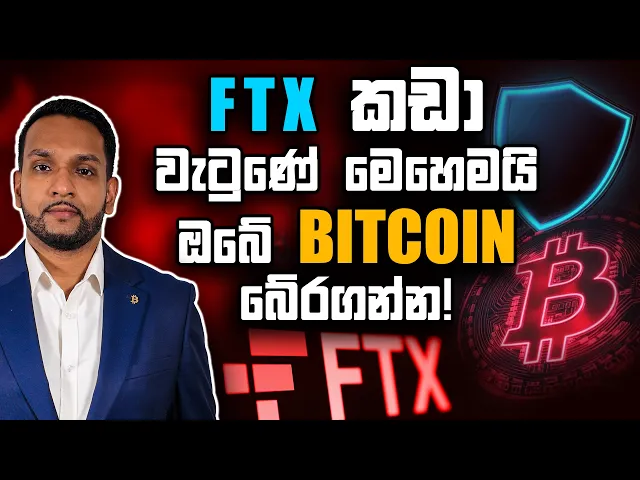
මේ වගේ දේවල් කලින් වෙලා තියෙනවා. FTX කියන්නේ කාලයක් ලෝකයේ තිබුණු විශාලම ක්රිප්ටෝ හුවමාරු වේදිකා වලින් එකක්. 2022 දී FTX කඩා වැටුණා. ඒකට හේතුව, පාරිභෝගික අරමුදල් (customer funds) වැරදි ලෙස භාවිතා කරලා තිබුණු බවත්, පරිශීලකයන්ට මුදල් ආපසු දෙන්න සමාගමට ප්රමාණවත් මුදල් නොතිබුණු බවත් හෙළිවීමයි. බොහෝ පරිශීලකයන් තමන්ගේ ගිණුම තුළ ක්රිප්ටො ආරක්ෂිතව තියෙනවා කියලා හිතුවා. හැබැයි මේ එක්ස්චේන්ජ් එක කඩා වැටුණාට පස්සේ, ඔවුන්ට තමන්ගේ මුදල් සරලව ආපහු ගන්න බැරි වුණා.
Mt. Gox කියන්නේ තවත් උදාහරණයක්.
එය කාලයක් ලෝකයේ තිබුණු විශාලම බිට්කොයින් හුවමාරු වේදිකාව වුණා. 2014 දී Mt. Gox කඩා වැටුණා. ඒකට හේතුව, මිලියන ගණනක් වටිනා බිට්කොයින් නැතිවීම හෝ සොරකම් වීමයි. බොහෝ පාරිභෝගිකයන් තමන්ගේ බිට්කොයින් ඒ එක්ස්චේන්ජ් එකේම තබාගෙන හිටියා. මොකද ඒක පහසුයි කියලා ඔවුන්ට දැනුණා. හැබැයි එක්ස්චේන්ජ් එක කඩා වැටුණාට පස්සේ, ඔවුන්ට තමන්ගේ මුදල්වලට ප්රවේශය අවුරුදු ගණනාවක් තිස්සේ නැති වුණා.
මේ නිසා තමයි බිට්කොයින් වල ඉන්න අය නිතරම කියන්නේ,"Not your keys, not your coins." කියලා. ඒ කියන්නේ ඔබ පුද්ගලික යතුරු පාලනය නොකරන්නේ නම්, ඔබ බිට්කොයින් සම්පූර්ණයෙන්ම පාලනය නොකරන බවයි. ඔබට ඇත්තටම තියෙන්නේ එක්ස්චේන්ජ් එකෙන් පොරොන්දුවක්, ඔබ ඉල්ලන විට ඔවුන් ඔබට බිට්කොයින් ලබා දෙන බවට.
මෙයින් අදහස් කරන්නේ ඔබට කිසිදා එක්ස්චේන්ජ් එකක් භාවිතා කළ නොහැකි බව නොවේ. ඔබට ශ්රී ලංකාවේ බිට්කොයින් මිලදී ගැනීමට, රුපියල් වලින් බිට්කොයින් මිලදී ගැනීමට හෝ ඉක්මනින් ට්රේඩ් කිරීමට අවශ්ය වූ විට එක්ස්චේන්ජ් එක ප්රයෝජනවත් විය හැකිය. නමුත් දිගු කාලීනව ඔබේ බිට්කොයින් තබා ගැනීමට ඒවා හොඳම ස්ථානය නොවේ.
ආරක්ෂිත ප්රවේශයක් නම්, ඔබට මිලදී ගැනීමට අවශ්ය වූ විට පමණක් හුවමාරුව භාවිතා කිරීමයි. ඔබ මිලදී ගත් පසු, බිට්කොයින් ස්වයං භාරකාර වොලට් එකකට හෝ හාර්ඩ්වෙයාර් වොකට් එකකට ආපසු ගන්න. ඒ ආකාරයෙන්, ඔබ ඔබේ ඉතුරුම් ආරක්ෂා කර ගැනීමට සමාගමක් මත විශ්වාසය තබන්නේ නැත. ඔබේ බිට්කොයින් ඔබම තබා ගනී.
පියවර 2 - බිට්කොයින් මිලදී ගන්න
ඔබේ වොලට් එක සූදානම් වූ පසු, ඊළඟ පියවර වන්නේ ශ්රී ලංකාවේ බිට්කොයින් මිලදී ගැනීමයි. ශ්රී ලංකාවේ බැංකු ක්රිප්ටෝ ගෙවීම් සඳහා සෘජුවම සහාය නොදක්වන බැවින්, බොහෝ අය ක්රම දෙකෙන් එකක් භාවිතා කරයි. ඔබට Bitnomi වැනි ශ්රී ලංකාව කේන්ද්ර කරගත් යෙදුමක් භාවිතා කළ හැකිය, නැතහොත් ඔබට ජාත්යන්තර එක්ස්චේන්ජ් එකක් භාවිතා කර P2P හරහා මිලදී ගත හැකිය.
විකල්පය 1 – බිට්නෝමි හරහා බිට්කොයින් මිලදී ගැනීම
රුපියල් → බිට්කොයින්
Bitnomi නිර්මාණය කර ඇත්තේ ශ්රී ලාංකිකයින්ට රුපියල් වලින් බිට්කොයින් මිලදී ගැනීම පහසු කිරීම සඳහා ය. ඔබ අනන්යතා සත්යාපනය සම්පූර්ණ කළ පසු, යෙදුම තුළ බිට්කොයින් මිලදී ගැනීමට ඔබේ බැංකු ගිණුමෙන් LKR භාවිතා කළ හැකිය.
වැදගත් වෙනස නම් බිට්නෝමි ස්වයං භාරකාරත්වයට යටත් වීමයි. මෙයින් අදහස් කරන්නේ ඔබ මිලදී ගන්නා බිට්කොයින් ඔබේම මුදල් වොලට් එකේ තබා ඇති අතර ඔබ රහස් වාක්ය ඛණ්ඩය පාලනය කරන බවයි. ඔබ ඔබේ කොයින් එක්ස්චේන්ජ් ගිණුමක් තුළ තබන්නේ නැත.
ආරම්භකයින් සඳහා, මෙය ලබා ගත හැකි වූ පසු මෙය සරලම විකල්පය වීමට ඉඩ ඇත. ඔබට මුලින්ම USDT මිලදී ගැනීමට, වෙළඳ තිර අතර මාරු වීමට හෝ ජාත්යන්තර එක්ස්චේන්ජ් ක්රියා කරන ආකාරය ඉගෙන ගැනීමට අවශ්ය නොවේ. ඔබේම වොලට් එක පාලනය කර ගනිමින්, දේශීය රුපියල් භාවිතා කරමින් ඔබට ශ්රී ලංකාට හරියන විදිහට බිට්කොයින් මිලදී ගත හැකිය.
විකල්ප 2 – ජාත්යන්තර එක්චේන්ජ් එකක් භාවිතා කරන්න (Binance, Bybit, Bitget)
බොහෝ ශ්රී ලාංකිකයන් Binance, Bybit, හෝ Bitget වැනි ජාත්යන්තර හුවමාරු භාවිතා කරයි. මෙම වේදිකා ජනප්රිය වන්නේ ඒවාට විශාල වෙළඳපල සහ බොහෝ ගැනුම්කරුවන් සහ විකුණුම්කරුවන් සිටින බැවිනි. නමුත් ඒවා භාරකාර වේදිකා වන අතර එයින් අදහස් වන්නේ ඔබේ බිට්කොයින් එක්ස්චේන්ජ් එක තුළ තිබියදී ඔවුන් ඔබේ පුද්ගලික යතුරු තබා ගන්නා බවයි.
පියවර 1: ගිණුමක් සාදන්න
Binance, Bybit, හෝ Bitget වැනි එක්ස්චේන්ජ් එකක් තෝරන්න. ඔබගේ විද්යුත් තැපැල් ලිපිනය හෝ දුරකථන අංකය භාවිතා කර ගිණුමක් සාදන්න. ඔබ වෙනත් තැනක භාවිතා නොකරන ශක්තිමත් මුරපදයක් භාවිතා කරන්න.
පියවර 2: අනන්යතා සත්යාපනය සම්පූර්ණ කරන්න
බොහෝ හුවමාරු වේදිකා ඔබෙන් KYC සම්පූර්ණ කරන්න කියලා ඉල්ලනවා.
KYC කියන්නේ Know Your Customer ("ඔබේ ගනුදෙනුකරු දැනගන්න") කියන එකයි.
සරලව කියනවා නම්, හුවමාරු වේදිකාව ඔබගේ අනන්යතාවය තහවුරු කරනවා.
ඒ සඳහා ඔබගේ ජාතික හැඳුනුම්පත, විදේශ ගමන් බලපත්රය හෝ රියදුරු බලපත්රය වැනි ලේඛන භාවිතා කරන්න වෙන්න පුළුවන්.
බොහෝ P2P විශේෂාංග භාවිතා කරන්න කලින්, මේ පියවර සම්පූර්ණ කිරීම අවශ්ය වෙනවා.
පියවර 3: අමතර ආරක්ෂාව ක්රියාත්මක කරන්න
මුදල් එකතු කිරීමට පෙර ද්වි-සාධක (Two-factor authentication) සත්යාපනය සක්රීය කරන්න. මෙයින් අදහස් කරන්නේ යමෙකුට ලොග් වීමට හෝ අරමුදල් ගෙනයාමට පෙර ඔබේ දුරකථනයෙන් දෙවන කේතයක් අවශ්ය බවයි. එය ඔබේ ගිණුමට අමතර ආරක්ෂාවක් ලබා දෙයි.
පියවර 4: P2P හරහා USDT හෝ USDC මිලදී ගන්න.
ශ්රී ලංකාවේ බැංකු කාඩ්පත් වලට කෙලින්ම ක්රිප්ටෝ මිලදී ගත නොහැකි බැවින්, බොහෝ අය P2P භාවිතා කරයි. P2P යනු සම වයසේ මිතුරන් අතර හුවමාරුවකි. ඔබ විනිමය වෙළඳපොළ හරහා වෙනත් පුද්ගලයෙකුගෙන් මිලදී ගනී.
LKR බැංකු මාරු කිරීම් පිළිගන්නා විකුණුම්කරුවෙකු සොයන්න. ඔබ ආරම්භ කිරීමට පෙර ඔවුන්ගේ ශ්රේණිගත කිරීම, සම්පූර්ණ කරන ලද වෙළඳාම් ගණන සහ ගෙවීම් නියමයන් පරීක්ෂා කරන්න. ඔබ වෙළඳාමක් විවෘත කරන විට, ගෙවීම අවසන් වන තෙක් එක්චේන්ජ් එක විකුණුම්කරුගේ USDT හෝ USDC අගුළු දමයි. මෙය escrow ලෙස හැඳින්වේ.
පියවර 5: බැංකු හුවමාරුව ප්රවේශමෙන් කරන්න.
එක්ස්චේන්ජ් එක තුළ පෙන්වා ඇති ගෙවීම් විස්තර භාවිතා කර නිශ්චිත LKR මුදල විකුණුම්කරුට යවන්න. මෙම පියවර ඉක්මන් නොකරන්න. ගිණුමේ නම සහ මුදල ට්රේඩ් උපදෙස් වලට ගැලපෙන බවට වග බලා ගන්න.
බැංකු හුවමාරු යොමුවේ "bitcoin" හෝ "crypto" යනුවෙන් සඳහන් නොකරන්න. ශ්රී ලංකාවේ බැංකු නිල වශයෙන් crypto ගනුදෙනු සඳහා සහාය නොදක්වන අතර, එම වචන භාවිතා කිරීමෙන් ප්රමාදයන් හෝ ප්රශ්න ඇති විය හැක. විකුණුම්කරුගේ උපදෙස් වලට ගැලපෙන සාමාන්ය ගෙවීම් යොමුවක් භාවිතා කරන්න.
පියවර 6: විකුණුම්කරු ක්රිප්ටෝ නිකුත් කරන තෙක් රැඳී සිටින්න.
ඔබ ගෙවීම සිදු කළ පසු, එක්ස්චේන්ජ් තුළ ට්රේඩ් එක ගෙවා ඇති බව සලකුණු කරන්න. විකුණුම්කරු ඔවුන්ගේ බැංකු ගිණුම පරීක්ෂා කර USDT හෝ USDC ඔබේ හුවමාරු මුදල් පසුම්බියට මුදා හරිනු ඇත. ඔබ ගෙවීමෙන් පසු කිසි විටෙකත් ට්රේඩ් එක අවලංගු නොකරන්න.
පියවර 7: බිට්කොයින් සඳහා USDT හෝ USDC මාරු කරන්න.
ඔබගේ එක්ස්චේන්ජ් වොලට් එකට USDT හෝ USDC පැමිණි පසු, ස්පොට් මාර්කට් එකට ගොස් එය බිට්කොයින් සඳහා හුවමාරු කරන්න. උදාහරණයක් ලෙස, ඔබට BTC/USDT ට්රේඩ් යුගලය භාවිතා කළ හැකිය. ඔබ සැබවින්ම බිට්කොයින් මිලදී ගන්නා පියවර මෙයයි.
පියවර 8: ඔබේම වොලට් එකකට බිට්කොයින් ආපසු ගන්න.
ඔබ බිට්කොයින් මිලදී ගත් පසු, එය දිගුකාලීන ගබඩා කිරීම සඳහා එක්ස්චේන්ජ් එකේ තබන්න එපා. Bitnomi, BlueWallet, AQUA, Muun, Blockstream Green හෝ හාර්ඩ්වේයාර් වොලට් වැනි ඔබේම ස්වයං-භාරකාර වොලට් එකකට එය ආපසු ගන්න.
මෙම අවසාන පියවර වැදගත් වේ. රුපියල් වලින් බිට්කොයින් මිලදී ගැනීම පළමු කොටස පමණි. ඔබේ බිට්කොයින් නිසි ලෙස පාලනය කිරීමට, ඔබ එය වොලට් එකක තබා ගත යුතු අතර එහිදී ඔබ රහස් වාක්ය ඛණ්ඩය පාලනය කරයි.
විකල්ප 3 – භාරකාර නොවන P2P වේදිකා භාවිතා කරන්න
ශ්රී ලංකාවේ බිට්කොයින් මිලදී ගැනීමට තවත් ක්රමයක් නම් භාරකාර නොවන P2P වේදිකාවක් භාවිතා කිරීමයි. P2P යනු පුද්ගලයෙක් සහ තවත් පුද්ගලයෙක් අතර හුවමාරුවකි. සරලව කිවහොත්, ඔබ සමාගමකින් හෝ එක්ස්චේන්ජ් එකකින් මිලදී ගැනීම වෙනුවට වෙනත් පුද්ගලයෙකුගෙන් කෙලින්ම මිලදී ගනී.
භාරකාර නොවන P2P වේදිකාවක් ඔබේ බිට්කොයින් සම්පූර්ණයෙන්ම ඔබ වෙනුවෙන් තබා නොගනී. බොහෝ අවස්ථාවලදී, එය ගැනුම්කරුට සහ විකුණුම්කරුට එස්ක්රෝ භාවිතා කිරීමෙන් ආරක්ෂිතව වෙළඳාම සිදු කිරීමට උපකාරී වේ. එස්ක්රෝ යන්නෙන් අදහස් කරන්නේ ගෙවීම සිදු කරන අතරතුර බිට්කොයින් තාවකාලිකව අගුළු දමා ඇති බවයි. විකුණුම්කරු මුදල් ලැබුණු බව තහවුරු කළ පසු, බිට්කොයින් මුදා හරිනු ලැබේ.
මෙම ක්රමය මඟින් ඔබට වැඩි පෞද්ගලිකත්වයක් සහ වැඩි පාලනයක් ලබා දිය හැකි නමුත්, එය ආරම්භකයින් සඳහා සැමවිටම පහසුම විකල්පය නොවේ. ඔබ විකුණුම්කරු ප්රවේශමෙන් පරීක්ෂා කළ යුතුය. ඔවුන්ගේ ශ්රේණිගත කිරීම, වෙළඳ ඉතිහාසය, ප්රතිපෝෂණ සහ ගෙවීම් නියමයන් දෙස බලන්න. සංවාදයේ වාර්තාවක් ඇති වන පරිදි සැමවිටම වේදිකා කතාබස් භාවිතා කරන්න.
හොඩ්ල් හොඩ්ල්
Hodl Hodl යනු භාරකාරත්වය නොමැති P2P වෙළඳපොළකි. එය බිට්කොයින් සෘජුවම මිලදී ගැනීමට සහ විකිණීමට කැමති පුද්ගලයින් සම්බන්ධ කරයි. වේදිකාව ඔබේ පුද්ගලික යතුරු රඳවා නොගනී, එබැවින් ඔබ ආරම්භ කිරීමට පෙර ඔබේම බිට්කොයින් වොලට් එකක් අවශ්ය වේ.
ට්රේඩ් එකක් ආරම්භ වූ විට, බිට්කොයින් විශේෂ එස්ක්රෝ සැකසුමක අගුලු දමා ඇති අතර අරමුදල් ගෙනයාමට එකකට වඩා අනුමැතිය අවශ්ය වේ. මෙය multisig ලෙස හැඳින්වේ, එහි තේරුම "බහු අත්සන්" යන්නයි. ඔබට එය එක් පුද්ගලයෙකුට පමණක් විවෘත කළ නොහැකි ලොකරයක් ලෙස සිතිය හැකිය.
බොහෝ එක්ස්චේන් ක්රම මෙන් සාමාන්ය KYC අවශ්ය නොවන නිසා ඔබට වැඩි පෞද්ගලිකත්වයක් අවශ්ය නම් Hodl Hodl ප්රයෝජනවත් වේ. KYC යනු අනන්යතා සත්යාපනයයි. අවාසිය නම් LKR පිළිගන්නා විකුණුම්කරුවන් අඩු විය හැකි බැවින් එය සැමවිටම රුපියල් වලින් බිට්කොයින් මිලදී ගැනීමට වේගවත්ම ක්රමය නොවිය හැකිය.
Bisq
Bisq යනු වඩාත් දියුණු P2P විකල්පයකි. එය ඔබ සරලව ලොග් වී ලබා ගත හැකි වෙබ් අඩවියක් නොවේ. ඔබ එය ඩෙස්ක්ටොප් යෙදුමක් ලෙස බාගත කරන අතර, එය ඔබව අනෙකුත් පරිශීලකයින් සමඟ කෙලින්ම සම්බන්ධ කරයි.
Bisq සඳහා ලියාපදිංචිය හෝ KYC අවශ්ය නොවේ. එය ඔබේ අන්තර්ජාල ස්ථානය සැඟවීමට උපකාරී වන රහස්යතා මෙවලමක් වන Tor ද භාවිතා කරයි. මෙය Bisq බිට්කොයින් මිලදී ගැනීමට වඩාත් පුද්ගලික ක්රමවලින් එකක් බවට පත් කරයි.
වෙළඳාම භාරකාර මුදලක් සහ ආරක්ෂක තැන්පතුවක් භාවිතා කරයි. මෙයින් අදහස් කරන්නේ දෙපාර්ශ්වයටම අවදානමක් ඇති බවයි, එය වංචාව අඩු කිරීමට උපකාරී වේ. නමුත් ආරම්භකයෙකුට බිස්ක් දුෂ්කර බවක් දැනෙන්නට පුළුවන, සහ LKR වෙළඳාම් සඳහා ඉතා අඩු ද්රවශීලතාවයක් තිබිය හැකිය. දැනටමත් බිට්කොයින් තේරුම් ගෙන ශක්තිමත් පෞද්ගලිකත්වයක් අවශ්ය පුද්ගලයින්ට එය වඩා හොඳය.
Vexl
Vexl යනු P2P බිට්කොයින් වෙළඳාම සඳහා වන ජංගම යෙදුමකි. එය සාමාන්ය හුවමාරුවලට වඩා වෙනස් ලෙස ක්රියා කරන්නේ එය ඔබව මිතුරන්, මිතුරන්ගේ මිතුරන් සහ ඔබේ පුළුල් සමාජ ජාලය තුළ සිටින පුද්ගලයින් සමඟ සම්බන්ධ කිරීමට උත්සාහ කරන බැවිනි.
ඔබ සැමවිටම සම්පූර්ණයෙන්ම ආගන්තුකයෙකු සමඟ කටයුතු නොකරන නිසා මෙය ඔබ කරන ට්රේඩ් වඩාත් පෞද්ගලික හැඟීමක් ඇති කළ හැකිය. යෙදුම පුද්ගලික කතාබස් ද භාවිතා කරයි, එබැවින් ඔබට ට්රේඩ් විස්තර කෙලින්ම සාකච්ඡා කළ හැකිය.
Vexl සඳහා විධිමත් KYC අවශ්ය නොවන අතර, ගනුදෙනු පරිශීලකයින් අතර පුද්ගලිකව සංවිධානය කර ඇත. අවාසිය නම්, ඔබට විකිණීමට කැමති කෙනෙකු සොයා ගැනීමට, මිලට එකඟ වීමට සහ ගෙවීමේ ක්රමයට එකඟ වීමට ඔබට සිදු වීමයි. ඔබට ඔබේම ජාලය හරහා ශ්රී ලංකාවේ බිට්කොයින් මිලදී ගැනීමට අවශ්ය නම් එය ප්රයෝජනවත් විය හැකි නමුත්, එය විශාල එක්ස්චේන්ජ් භාවිතා කිරීම තරම් ඉක්මන් නොවිය හැකිය.
NoOnes
NoOnes යනු P2P වෙළඳපොළක් වන නමුත් එය සැබෑ භාරකාර නොවන වේදිකාවක් නොවේ. එය භාරකාර P2P එක්ස්චේන්ජ් එකක් මෙන් ක්රියා කරයි. මෙයින් අදහස් කරන්නේ වේදිකාව වෙළඳාම අතරතුර විකුණුම්කරුගේ ක්රිප්ටෝ භාරකාරත්වයේ තබාගෙන ගෙවීම තහවුරු කිරීමෙන් පසු එය නිකුත් කරන බවයි.
මේක ආරම්භකයන්ට ක්රියාවලිය ලේසි කරයි. මොකද, ගනුදෙනුවේදී කිසිම ගැටලුවක් ඇති වුණොත් ඒකට විසඳුම් ලබාදෙන dispute system එකක් තියෙන නිසා. හැබැයි ඒකෙන් අදහස් වෙන්නේ, ගනුදෙනුව අවසන් වෙනකම් crypto එක NoOnes ළඟ තබාගන්න ඔබට ඔවුන්ව විශ්වාස කරන්න වෙනවා. ඒ වගේම ගැටලුවක් ඇති වුණොත්, NoOnes ඒක සාධාරණව විසඳයි කියලාත් විශ්වාස කරන්න වෙනවා.
ඔබට ගෙවීම් ක්රම ගොඩක් අවශ්ය නම්, සහ සක්රීය sellersලා වැඩි platform එකක් අවශ්ය නම්, NoOnes ප්රයෝජනවත් වෙන්න පුළුවන්. හැබැයි Hodl Hodl, Bisq, හෝ Vexl වගේ platforms වලට වඩා NoOnes පෞද්ගලිකත්වය අඩුයි. ඔබගේ අරමුණ custodial platforms සම්පූර්ණයෙන්ම මඟහැරීම නම්, NoOnes ඔබට හොඳම තේරීම නෙවෙයි.
අවවාදයයි: වංචා සහ නීති විරෝධී යෝජනා ක්රම
ශ්රී ලංකාවේ බිට්කොයින් හිමිකර ගැනීම නීත්යානුකූලයි, නමුත් ඔබ තවමත් ප්රවේශම් විය යුතුයි. ක්රිප්ටෝ මුදල් නීත්යානුකූල නොවන බවත් ඒවා තවමත් නියාමනය කර නොමැති බවත් ශ්රී ලංකා මහ බැංකුව අනතුරු අඟවා තිබේ. මෙයින් අදහස් කරන්නේ ඔබට බිට්කොයින් මිලදී ගැනීමට හෝ ළඟ තබා ගැනීමට නොහැකි බව නොවේ. එයින් අදහස් කරන්නේ ඔබ ව්යාජ ආයෝජන යෝජනා ක්රම, ඉහළ ප්රතිලාභ පොරොන්දු සහ ඔබේ මුදල් ඉක්මනින් දෙගුණ කළ හැකි බව පවසන පුද්ගලයින්ගෙන් වැළකී සිටිය යුතු බවයි.
ශ්රී ලංකාවේ බිට්කොයින් මිලදී ගැනීමට P2P වේදිකා භාවිතා කරන විට මෙය විශේෂයෙන් වැදගත් වේ. P2P යන්නෙන් අදහස් කරන්නේ ඔබ වෙනත් පුද්ගලයෙකු සමඟ සෘජුවම ගනුදෙනු කරන බවයි. එම පුද්ගලයා අව්යාජ විකුණුම්කරුවෙකු විය හැකි නමුත් ඔවුන් වංචාකරුවෙකු ද විය හැකිය. ඔබ වෙළඳාම් කිරීමට පෙර, ඔවුන්ගේ ශ්රේණිගත කිරීම, සම්පූර්ණ කළ වෙළඳාම්, ප්රතිපෝෂණ සහ ගිණුම් ඉතිහාසය පරීක්ෂා කරන්න. හොඳ මිලක් ප්රමාණවත් නොවේ. ඔබ ගනුදෙනු කරන්නේ කා සමඟද යන්න ඔබ දැනගත යුතුය.
සාමාන්ය P2P වංචාවලට ව්යාජ ගෙවීම් ස්ක්රීන්ශොට්ස්, ව්යාජ එස්ක්රෝ ලින්ක්ස්, ෆිශින් ලින්ක්ස්, සහ ක්රිප්ටො යවා නැතිව “මම ක්රිප්ටො යැව්වා” කියන විකුණුම්කරුවන් ඇතුළත් වෙන්න පුළුවන්.
ෆිශින් කියන්නේ, කෙනෙකු ව්යාජ වෙබ් අඩවියක් හරහා ඔබගේ පිවිසුම් තොරතුරු හෝ රහස් වාක්ය කණ්ඩය (recovery phrase) ඇතුළත් කරවලා, ඔබව රවට්ටන්න උත්සාහ කරන ක්රමයක්.
විකුණුම්කරුවන් යවන අහඹු සබැඳි කිසි විටෙකත් ක්ලික් නොකරන්න.
සැමවිටම නිල වේදිකාව හෝ යෙදුම තුළ රැඳී සිටින්න.
ඔබ P2P හරහා රුපියල් වලින් බිට්කොයින් මිලදී ගන්නා විට, වෙළඳාම, ගෙවීම් කුවිතාන්සිය, කතාබස් ඉතිහාසය සහ විකුණුම්කරුගේ විස්තර පිළිබඳ වාර්තා තබා ගන්න. එස්ක්රෝ සහ ආරවුල් පද්ධතියක් (dispute system) ඇති වේදිකා භාවිතා කරන්න. එස්ක්රෝ යන්නෙන් අදහස් කරන්නේ ගෙවීම තහවුරු කරන තෙක් වෙළඳාම අතරතුර විකුණුම්කරුගේ ක්රිප්ටෝ අගුළු දමා ඇති බවයි. එය සියලු අවදානම් ඉවත් නොකරයි, නමුත් වේදිකාවෙන් පිටත ආගන්තුකයෙකුට මුදල් යැවීමට වඩා එය ඔබට වැඩි ආරක්ෂාවක් ලබා දෙයි.
යම් offer එකක් ඇත්ත වෙන්න අමාරු තරම් හොඳයි වගේ පේනවා නම්, ඒක බොහෝ විට සැක සහිත එකක් වෙන්න පුළුවන්. ඔබ අලුත් කෙනෙක් නම්, මුලින්ම කුඩා මුදලකින් ආරම්භ කරන්න. ඔබේ account එකට two-factor authentication භාවිතා කරන්න. හොඳ reputation එකක් තියෙන sellersලා තෝරගන්න. පරිස්සම්ව සහ සැලකිලිමත්ව භාවිතා කළොත්, P2P කියන්නේ ශ්රී ලංකාවේ Bitcoin මිලදී ගැනීමට ප්රායෝගික ක්රමයක් වෙන්න පුළුවන්. හැබැයි ඒ ක්රියාවලිය කවදාවත් ඉක්මන් කරලා කරන්න හොඳ නැහැ.
පියවර 3 - ඔබේ බිට්කොයින් ආරක්ෂිතව ගබඩා කරන්න (hardware wallets)
ඔබ ශ්රී ලංකාවේ බිට්කොයින් මිලදී ගත් පසු, ඊළඟ වැදගත් පියවර වන්නේ එය ආරක්ෂිතව ගබඩා කිරීමයි. ඔබේ බිට්කොයින් තවමත් එක්ස්චේන්ජ් ගිණුමක් තුළ තිබේ නම්, එක්ස්චේන්ජ් එක එය ඔබ වෙනුවෙන් තබා ගනී. දිගුකාලීන ඉතිරිකිරීම් සඳහා, ඔබේ බිට්කොයින් ඔබ පාලනය කරන වොලට් එකක ගෙන යාම වඩා හොඳය.
සාමාන්ය මොබයිල් වොලට් එකක් **හොට් වොලට්** කියලා හඳුන්වයි. ඒක ඔබගේ ෆෝන් එකේ හෝ කම්පියුටර් එකේ ක්රියා කරන නිසා, ඉන්ටර්නෙට් එකට සම්බන්ධ වෙලා තියෙනවා. මේක භාවිතා කරන්න ලේසි සහ පහසුයි. හැබැයි ඒකෙන් අදහස් වෙන්නේ, ඔබගේ ඩිවයිස් එක හැක් වුණොත් හෝ මැල්වෙයා එකක් ඇතුල් වුණොත්, ඔබගේ වොලට් එකටත් අවදානමක් ඇති වෙන්න පුළුවන් කියන එකයි.
හාඩ්වෙයාර් වොලට් එකක් ඊට වඩා වෙනස්. ඒක කුඩා භෞතික ඩිවයිස් එකක්. ඒක ඔබගේ ප්රයිවට් කීස් ඉන්ටර්නෙට් එකට සම්බන්ධ නොකර, ඔෆ්ලයින් තබාගන්නවා. ඒ නිසා බොහෝ දෙනෙක් මේකට **කෝල්ඩ් වොලට්** කියලා කියනවා. ඔබගේ ෆෝන් එක හෝ කම්පියුටර් එක හැක් වුණත්, ආක්රමණකාරයාට ඔබගේ බිට්කොයින් ලේසියෙන් මාරු කරන්න බැහැ. මොකද ප්රයිවට් කී එක තවමත් හාඩ්වෙයාර් වොලට් එක ඇතුළේ ආරක්ෂිතව තියෙන නිසා.
ඔබ රුපියල් වලින් බිට්කොයින් මිලදී ගෙන, ඒවා දිගු කාලයක් තබාගන්න හිතනවා නම්, මේක විශේෂයෙන් වැදගත්. කුඩා මුදල් ප්රමාණයක් සඳහා සහ දිනපතා භාවිතයට මොබයිල් වොලට් එකක් ප්රමාණවත් වෙන්න පුළුවන්.
හැබැයි ඔබට නැති වුණොත් ඇත්තටම දුකක් දැනෙන තරම් වටිනා බිට්කොයින් ප්රමාණයක් තියෙනවා නම්, හාඩ්වෙයාර් වොලට් එකක් භාවිතා කිරීම වඩා හොඳයි.
බිට්කොයින් මිලදී ගත්තට පස්සේ, ඒවා ඔබම පාලනය කරන වොලට් එකකට මාරු කරගන්න. දිගු කාලයක් ආරක්ෂිතව තබාගන්න නම්, හාඩ්වෙයාර් වොලට් එකක් වඩා හොඳයි. ඒවා බිට්කොයින් තබාගැනීමටම නිර්මාණය කළ විශේෂ ඩිවයිස් වන අතර, ඔබගේ ප්රයිවට් කීස් ඉන්ටර්නෙට් එකට සම්බන්ධ නොකර ඔෆ්ලයින් තබාගන්නවා. ඒ නිසා මේවාට සමහර වෙලාවට කෝල්ඩ් වොලට් කියලා කියනවා. සොෆ්ට්වෙයාර් වොලට් හෝ මොබයිල් වොලට් කියන්නේ හොට් වොලට් වර්ගයක්. මොකද ඒවා ඉන්ටර්නෙට් එකට සම්බන්ධ ෆෝන් හෝ කම්පියුටර් වගේ ඩිවයිස්වල ක්රියා කරන නිසා.
ඒ නිසා ඔබගේ ඩිවයිස් එක හැක් වුණොත් හෝ මැල්වෙයාර් එකක් ඇතුල් වුණොත්, එවැනි වොලට් එකකට අවදානමක් ඇති වෙන්න පුළුවන්.
හාඩ්වෙයාර් වොලට් භාවිතා කරන්න ඕනේ ඇයි?
හාඩ්වෙයාර් වොලට් එකක් ඔබගේ බිට්කොයින් ආරක්ෂා කරන්නේ, වඩාත්ම වැදගත් කොටස ඔෆ්ලයින් තබාගැනීමෙන්.
ඒ වැදගත් කොටස තමයි ඔබගේ ප්රයිවට් කී එක. ප්රයිවට් කී කියන්නේ, ඔබගේ වොලට් එකෙන් බිට්කොයින් මාරු කිරීමට අවසර දෙන රහස් කේතයයි.
ඔබ හාඩ්වෙයාර් වොලට් එකකින් බිට්කොයින් යවන විට, ගනුදෙනුව ඔබගේ ෆෝන් එකේ හෝ කම්පියුටර් එකේ පෙන්වයි. හැබැයි අවසාන අනුමැතිය ලබාදෙන්නේ හාඩ්වෙයාර් ඩිවයිස් එකෙන්මයි. සාමාන්යයෙන් ඔබට ඩිවයිස් එකේ බොත්තමක් ඔබන්න හෝ ඩිවයිස් ස්ක්රීන් එකේ පෙන්වන තොරතුරු පරීක්ෂා කර තහවුරු කරන්න වෙනවා.
මේක වැදගත් වෙන්නේ, බිට්කොයින් ගනුදෙනු ආපසු හරවන්න බැරි නිසායි. ඔබ වැරදි ඇඩ්රස් එකකට බිට්කොයින් යැව්වොත්, ඒක ඔබ වෙනුවෙන් කැන්සල් කරන්න බැංකුවක් හෝ සපෝට් ටීම් එකක් නැහැ. හාඩ්වෙයාර් වොලට් එකක් භාවිතා කරන විට, ගනුදෙනුව අනුමත කරන්න කලින් ඇඩ්රස් එක සහ මුදල් ප්රමාණය තවත් වතාවක් පරීක්ෂා කරන්න ඔබට අවස්ථාවක් ලැබෙනවා.
ඔබ තවමත් ඔබගේ රිකවරි ෆ්රේස් එක ආරක්ෂා කරගන්න ඕනේ. හාඩ්වෙයාර් වොලට් එක ඔබ ඩිවයිස් එක භාවිතා කරන විට ඔබගේ ප්රයිවට් කී එක ආරක්ෂා කරයි. හැබැයි ඔබගේ රිකවරි ෆ්රේස් එක තමයි තවමත් ප්රධාන බැකප් එක. කෙනෙකුට ඒ ෆ්රේස් එක ලැබුණොත්, ඔහුට ඔබගේ බිට්කොයින් රිකවර් කරලා වියදම් කරන්න පුළුවන්.
නිර්දේශ කළ හැකි හාඩ්වෙයාර් වොලට්
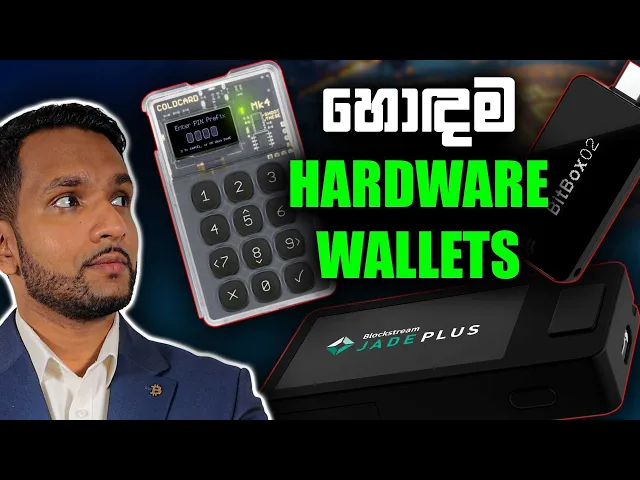
බ්ලොක්ස්ට්රීම් ජේඩ් කියන්නේ වැඩි මුදලක් වියදම් නොකර හොඳ ආරක්ෂාවක් අවශ්ය අයට සුදුසු ආරම්භක මට්ටමේ හාඩ්වෙයාර් වොලට් එකක්. මේක බ්ලොක්ස්ට්රීම් ග්රීන් වොලට් එකත් එක්ක හොඳින් වැඩ කරනවා. ඒ වගේම QR කෝඩ් ස්කෑන් කරන්න කැමරාවක්ත් තියෙනවා. මේ නිසා අයර්-ගැප්ඩ් ගනුදෙනු කරන්න පුළුවන්. ඒ කියන්නේ, ඩිවයිස් එක ඔබගේ කම්පියුටර් එකට සෘජුව සම්බන්ධ නොකරම, බිට්කොයින් ගනුදෙනු අනුමත කරන්න පුළුවන් කියන එකයි.
ඔබට බිට්කොයින් තබාගන්නත්, අනාගතයේදී ලික්විඩ් නෙට්වර්ක් ගැනත් ඉගෙන ගන්න අවශ්ය නම්, ජේඩ් ප්රයෝජනවත් වෙන්න පුළුවන්. ලික්විඩ් නෙට්වර්ක් කියන්නේ බිට්කොයින් සමඟ සම්බන්ධ වූ සයිඩ් නෙට්වර්ක් එකක්. එය වේගවත් ගනුදෙනු සහ සමහර ඩිජිටල් ඇසෙට්ස් සඳහා භාවිතා වෙනවා. බොහෝ ආරම්භකයන්ට ජේඩ් ප්රායෝගික තේරීමක්. මොකද එය මිලෙන් සරලයි, සහ බිට්කොයින් ආරක්ෂාවට වැඩි අවධානයක් දෙන වොලට් එකක්.
බිට්බොක්ස් 02 කියන්නේ ආරම්භකයන්ට භාවිතා කරන්න පහසු තවත් හොඳ හාඩ්වෙයාර් වොලට් එකක්.
මේක සරලයි, පිළිවෙළට තියෙනවා, සහ භාවිතා කරන්න ලේසියි. ගනුදෙනුවක් අනුමත කරන්න කලින්, ඒ ගනුදෙනුවේ තොරතුරු පරීක්ෂා කරන්න පුළුවන් කුඩා ස්ක්රීන් එකක් මේ ඩිවයිස් එකේ තියෙනවා. ඒ වගේම මයික්රෝ SD කාඩ් බැකප් support කරන නිසා, සමහර පරිශීලකයන්ට වොලට් එක රිකවර් කරගැනීම තවත් ලේසි වෙන්න පුළුවන්.
බිට්බොක්ස් 02 වොලට් එක බිට්කොයින්-ඔන්ලි version එකක් සහ මල්ටි-කොයින් version එකක් ලෙස ලබාගන්න පුළුවන්. ඔබගේ ප්රධාන අරමුණ ශ්රී ලංකාවේ බිට්කොයින් මිලදීගෙන, ඒවා ආරක්ෂිතව තබාගැනීම නම්, බිට්කොයින්-ඔන්ලි version එක වැඩි සරල තේරීමක්. ඔබට ඕනෑවට වඩා උසස් සැකසුම් නොමැතිව විශ්වාසදායක හාඩ්වෙයාර් වොලට් එකක් අවශ්ය නම්, බිට්බොක්ස් 02 හොඳ තේරීමක් වෙන්න පුළුවන්.
කෝල්ඩ්කාඩ් කියන්නේ ඉතා ශක්තිමත් බිට්කොයින් ආරක්ෂාවක් අවශ්ය අය සඳහා නිර්මාණය කළ හාඩ්වෙයාර් වොලට් එකක්. මේකේ අයර්-ගැප්ඩ් සයිනින්, පාස්ෆ්රේස්, සහ මල්ටිසිග් support වගේ advanced features තියෙනවා.
මල්ටිසිග් කියන්නේ බිට්කොයින් මාරු කරන්න එක් key එකක් විතරක් නොව, keys කිහිපයක් අවශ්ය වන ආරක්ෂක ක්රමයක්.
කෝල්ඩ්කාඩ් කියන්නේ දිගු කාලීනව බිට්කොයින් ආරක්ෂිතව තබාගන්න හොඳ, ශක්තිමත් තේරීමක්. විශේෂයෙන්ම විශාල මුදල් ප්රමාණයක් තබාගන්න අවශ්ය අයට මේක ගැලපෙන්න පුළුවන්. හැබැයි බිට්කොයින් ගැන සම්පූර්ණයෙන්ම අලුත් කෙනෙකුට මේ වොලට් එක භාවිතා කිරීම ලේසිම තේරීමක් නොවෙයි. බිට්කොයින් ආරක්ෂාව වැඩ කරන විදිහ ගැන වැඩි කාලයක් ගත කරලා ඉගෙන ගන්න කැමති පරිෂීලකයන්ට කෝල්ඩ්කාඩ් වඩාත් සුදුසුයි.
බිට්කොයින් හාඩ්වෙයාර් වොලට් එකකට මාරු කරන්නේ කොහොමද?
පියවර 1: හාඩ්වෙයාර් වොලට් එක සකස් කරගන්න
හාඩ්වෙයාර් වොලට් එක සම්බන්ධ කරලා, සැකසුම් උපදෙස් (setup instructions) අනුව ඉදිරියට යන්න. ඊට පස්සේ ඩිවයිස් එක ඔබට රිකවරි ෆ්රේස් එකක් පෙන්වයි. ඒක ඉතා පරිස්සමින් ලියාගෙන, ඔෆ්ලයින් තබාගන්න. ඒකේ ෆොටෝ එකක් ගන්න එපා. ඔබගේ ෆෝන් නෝට්ස් වල save කරන්න එපා. ක්ලවුඩ් ස්ටෝරේජ් එකකට අප්ලෝඩ් කරන්නත් එපා.
පියවර 2: ඔබගේ රිසීවින් ඇඩ්රස් එක ලබාගන්න
ඔබගේ හාඩ්වෙයාර් වොලට් එකට සම්බන්ධ වොලට් ඇප් එක ඕපන් කරන්න. ඊට පස්සේ බිට්කොයින් receive කරන්න තියෙන option එක තෝරන්න. ඇප් එක ඔබට බිට්කොයින් ඇඩ්රස් එකක් පෙන්වයි. ඔබට බිට්කොයින් ලබාගන්න භාවිතා කරන්න තියෙන්නේ මේ ඇඩ්රස් එකයි.
පියවර 3: එක්ස්චේන්ජ් එකෙන් හෝ මොබයිල් වොලට් එකෙන් බිට්කොයින් මාරු කරන්න
ඔබගේ බිට්කොයින් දැන් තබාගෙන තියෙන තැනට යන්න. ඒක බිට්නෝමි, බ්ලූවොලට්, බයිනෑන්ස්, බයිබිට්, බිට්ගෙට්, හෝ වෙනත් වොලට් එකක් වෙන්න පුළුවන්. ඊට පස්සේ සෙන්ඩ් හෝ විත්ඩ්රෝ විකල්පය තෝරලා, ඔබගේ හාඩ්වෙයාර් වොලට් එකෙන් ලබාගත්ත රිසීවින් ඇඩ්රස් එක පේස්ට් කරන්න.
පියවර 4: ඇඩ්රස් එක පරිස්සමින් පරීක්ෂා කරන්න
බිට්කොයින් යවන්න කලින්, හැමවිටම ඇඩ්රස් එක පරිස්සමින් පරීක්ෂා කරන්න. සමහර හාඩ්වෙයාර් වොලට් වලදී, ඩිවයිස් එකේ ස්ක්රීන් එකෙන්ම ඇඩ්රස් එක තහවුරු කරන්න පුළුවන්. මේක වැදගත් වෙන්නේ, සමහර වෙලාවට මැල්වෙයාර් එකක් ඔබගේ කම්පියුටර් එකේ හෝ ෆෝන් එකේ copy කරපු ඇඩ්රස් එක වෙනස් කරන්න පුළුවන් නිසායි.
පියවර 5: ගනුදෙනුව තහවුරු කරන්න
සියලුම තොරතුරු නිවැරදි නම්, ගනුදෙනුව තහවුරු කරන්න. ඊට පස්සේ ඔබගේ බිට්කොයින්, ඔබගේ හාඩ්වෙයාර් වොලට් ඇඩ්රස් එකට යවනු ලැබේ. බිට්කොයින් නෙට්වර්ක් එකේ ගනුදෙනුව තහවුරු වුණාට පස්සේ, ඒ බිට්කොයින් ඔබගේ හාඩ්වෙයාර් වොලට් බැලන්ස් එකේ පෙන්වයි.
ඔබ රුපියල්වලින් බිට්කොයින් මිලදී ගත්තට පස්සේ, මේ අවසාන පියවර ඉතා වැදගත්. බිට්කොයින් මිලදී ගැනීම පළමු කොටස විතරයි. ඒ බිට්කොයින් ආරක්ෂිතව තබාගැනීම තමයි, කාලයත් එක්ක ඔබගේ ඉතිරිකිරීම් ආරක්ෂා කරන්නේ
නිතර අසන ප්රශ්න සහ පිළිතුරු
Bitcoin ශ්රී ලංකාවේ නීත්යානුකූලද?
ඔව්, ශ්රී ලංකාවේ බිට්කොයින් මිලදී ගන්නත්, තබාගන්නත් නීතිමය බාධාවක් නැහැ. හැබැයි බිට්කොයින් කියන්නේ ලීගල් ටෙන්ඩර් එකක් නොවෙයි. ඒ කියන්නේ, ශ්රී ලංකා රුපියල වගේ රටේ නිල මුදල් ඒකකයක් නොවෙයි. ඒ නිසා බිට්කොයින්, සාමාන්ය දේශීය මුදලක් වගේ දිනපතා ගෙවීම් සඳහා භාවිතා කරන්න බැහැ.
නමුත් ශ්රී ලාංකිකයින්ට බිට්කොයින් මිලදී ගැනීම, තබා ගැනීම හෝ වත්කමක් ලෙස ආයෝජනය කිරීම වළක්වන නීතියක් නොමැත. එය රන්, කොටස් හෝ ඉඩම් හිමිකර ගැනීමක් ලෙස සිතන්න. ඔබට එය තබා ගත හැකිය, නමුත් එය රට තුළ රුපියල් භාවිතා කිරීම හා සමාන නොවේ.
ශ්රී ලංකාව crypto service providers සඳහා නීති රීති සකස් කරමින් පවතිනවා.
මේ වගේ සමාගම් වර්චුවල් ඇසෙට් සර්විස් ප්රොවයිඩර්ස් හෝ VASPs කියලා හඳුන්වනවා. ඒකට හුවමාරු වේදිකා (Include exchanges) සහ වොලට් සමාගම් ඇතුළත් වෙන්න පුළුවන්. ඒ නීති අවසන් වෙනකම්, බිට්කොයින් තවමත් සම්පූර්ණයෙන්ම **නියාමනය නොකළ** තත්ත්වයක තියෙනවා. ඒ නිසා විශ්වාසදායක වේදිකා (platforms) භාවිතා කරන්න, ඔබගේ ගනුදෙනු වාර්තා නිසි ලෙස තබාගන්න, සහ ඔබගේ බිට්කොයින් ආරක්ෂිතව ගබඩා කරගන්න.
ශ්රී ලංකාව තුළ බිට්කොයින් මිලදී ගන්නේ කෙසේද?
පළමු පියවර තමයි සෙල්ෆ්-කස්ටෝඩියල් (ස්වයං භාරත්වයක් ඇති) වොලට් එකක් setup කරගැනීම. ඒ කියන්නේ ඔබම ඔබගේ **රිකවරි ෆ්රේස් එක සහ **ප්රයිවට් කීස්** පාලනය කරන වොලට් එකක්. ඔබට ඔබගේම වොලට් එකක් නැත්නම්, ඔබගේ බිට්කොයින් සම්පූර්ණයෙන්ම ඔබගේ පාලනයේ තියෙනවා කියලා කියන්න බැහැ.
ඊට පස්සේ, බිට්කොයින් මිලදී ගන්නේ කොහොමද කියලා ඔබට තෝරගන්න පුළුවන්. බිට්නෝමි ලබාගත්තට පස්සේ, ශ්රී ලංකාව තුළම රුපියල් භාවිතා කරලා බිට්කොයින් මිලදී ගන්න අවස්ථාව ලබාදෙනවා. මේක ආරම්භකයන්ට ලේසිම ක්රමයක් වෙන්න පුළුවන්. මොකද, ජාත්යන්තර හුවමාරු වේදිකාවක් මුලින් භාවිතා නොකර, සෘජුවම රුපියල්වලින් බිට්කොයින් මිලදී ගන්න පුළුවන් නිසා.
ඔබට බයිනෑන්ස්, බයිබිට්, හෝ බිට්ගෙට් වගේ ජාත්යන්තර හුවමාරු වේදිකා භාවිතා කරන්නත් පුළුවන්. මේ ක්රමයේදී සාමාන්යයෙන් පළමුව P2P හරහා USDT හෝ USDC මිලදී ගන්නවා. ඊට පස්සේ ඒවා බිට්කොයින් වලට මාරු කරගන්නවා. බිට්කොයින් මිලදී ගත්තට පස්සේ, ඒවා ඔබගේම වොලට් එකකට මාරු කරගන්න. මේ අවසාන පියවර වැදගත්. මොකද එයින් ඔබගේ බිට්කොයින් සම්පූර්ණයෙන්ම ඔබගේ පාලනයට ලැබෙන නිසා.
ක්රිප්ටෝ සඳහා අවසර දෙන බැංකුව කුමක්ද?
ශ්රී ලංකාවේ බැංකු, ක්රිප්ටෝ ගනුදෙනු නිල වශයෙන් තහවුරු කරන්නේ නැහැ. බැංකු වලට සෘජුවම ක්රිප්ටෝ ගනුදෙනු සකසන්න (payments process) අවසර නැහැ. ඒ වගේම ශ්රී ලංකාවේ ක්රෙඩිට් කාඩ් හෝ ඩෙබිට් කාඩ් භාවිතා කරලා නීත්යානුකූලව ක්රිප්ටෝ මිලදී ගැනීමත් කළ නොහැකියි. ඒ නිසා බැංකු ගනුදෙනුවක රෙෆරන්ස් ෆීල්ඩ් එකට, ඒක ක්රිප්ටෝ හෝ බිට්කොයින් ගනුදෙනුවක් කියලා පෙන්වන වචන දැමුවොත්, බැංකු පද්ධති ඔබගේ ගිණුම ඉහළ අවදානම් සහිත ගනුදෙනුකරුවෙකු ලෙස සලකුණු කරනු ඇති අතර එය ගැටළු වලට තුඩු දිය හැකි අතර ඔවුන් ප්රශ්න අසන්නට හෝ නව බැංකු සහකරුවෙකු සොයා ගැනීමට ඔබෙන් ඉල්ලා සිටීමට ඉඩ ඇත.
රුපියල්වලින් බිට්කොයින් මිලදී ගන්න අවශ්ය වෙද්දී, බොහෝ දෙනෙක් P2P ක්රමය භාවිතා කරන්නේ මේ නිසායි. P2P කියන්නේ, ඔබ වෙනත් පුද්ගලයෙකුගෙන් ප්ලැට්ෆෝම් එකක් හරහා බිට්කොයින් මිලදී ගැනීමයි. සාමාන්යයෙන් ඔබ ගෙවීම කරන්නේ සාමාන්ය සාමාන්ය බැංකු හුවමාරුවකින්. ඒ අතරතුර, ප්ලැට්ෆෝම් එක ගනුදෙනුව කළමනාකරණය කරන්න උදව් කරනවා. ඒ නිසා බැංකු ගනුදෙනුවේ රෙෆරන්ස් ෆීල්ඩ් එකට ක්රිප්ටෝ හෝ බිට්කොයින් ගැන වචන දැමීමෙන් වළකින්න. ප්ලැට්ෆෝම් එක දෙන ගෙවීම් උපදෙස් නිවැරදිව අනුගමනය කරලා, ගනුදෙනු වාර්තා පරිස්සමින් තබාගන්න.
බැංකු පද්ධතිය ක්රිප්ටෝ ගනුදෙනු නිල වශයෙන් තහවුරු නොකරන නිසා, ඔබ ඉතා පරිස්සම් විය යුතුයි. ශ්රී ලංකා මහ බැංකුවෙන් බැංකු වලට ක්රිප්ටෝ ගනුදෙනු සඳහා සහාය වීමට අවසර ලබාදී නැහැ. ඒ නිසා බැංකු, දඩ මුදල් හෝ නියාමන අවදානම් වලින් බේරෙන්න, තමන්ගේම ප්රතිපත්ති තදින් ක්රියාත්මක කරන්න පුළුවන්.
ඔබගේ ගනුදෙනු වාර්තා නිසි ලෙස තබාගන්න. විශ්වාසදායක ප්ලැට්ෆෝම්ස් භාවිතා කරන්න. ගෙවීම් ඉක්මන් කරලා කරන්න එපා. මුදල් යවන්න කලින්, ඔබ ගනුදෙනු කරන්නේ කා සමඟද කියලා හොඳින් තේරුම් ගන්න.
ශ්රී ලංකාව තුළ ක්රිප්ටෝ සඳහා බදු අය කළ හැකිද?
ඔබ බිට්කොයින් මිලදී ගත්ත සේවාවට සමාන සේවාවක් හරහා, ඒවා විකුණලා මුදල් ලබාගන්න පුළුවන්. බිට්නෝමි විකුණීමට සහය දක්වනවා නම්, අවශ්ය පරීක්ෂා කිරීම් සම්පූර්ණ කළාට පස්සේ, ඔබට BTC හෝ USDT විකුණලා, LKR ඔබගේ බැංකු ගිණුමට ලබාගන්න පුළුවන්.
ඔබට ජාත්යන්තර හුවමාරු වේදිකා (international exchanges) භාවිතා කරන්නත් පුළුවන්. ඒ ක්රමයේදී, පළමුව ඔබගේ බිට්කොයින් USDT හෝ USDC වලට විකුණනවා. ඊට පස්සේ පී-ටු-පී හරහා ඔබට LKR ගෙවන ගැනුම්කරුවෙකු සොයාගන්නවා. ඔහු ඔබට ගෙවීම කළාට පස්සේ, ප්ලැට්ෆෝම් එක ඔවුන්ට ක්රිප්ටෝ නිකුත් කරනවා.
ඔබට Hodl Hodl, Bisq, Vexl.,වගේ P2P ප්ලැට්ෆෝම්ස් භාවිතා කරන්නත් පුළුවන්. මේ වගේ සේවාවලදී, ඔබ බිට්කොයින් වෙනත් පුද්ගලයෙකුට සෘජුව විකුණනවා. බිට්කොයින් නිකුත් කරන්න කලින්, ගෙවීම ඔබට ලැබිලා තියෙනවාද කියලා හැමවිටම තහවුරු කරගන්න. බිට්කොයින් යැව්වට පස්සේ, ඒ ගනුදෙනුව ආපසු හරවන්න බැහැ.
බිට්කොයින් විකුණලා මුදල් ලබාගන්නේ කොහොමද?
ඔබ ආරම්භකයෙක් නම්, කුඩා මුදලකින් පටන් ගන්න. වොලට්ස්, රිකවරි ෆ්රේස්, P2P, සහ මුදල් ආපසු ගැනීම් ක්රියා කරන ආකාරය තේරුම් ගැනීමට පෙර විශාල මුදලක් යොදවන්න එපා.
සරල පියවරක් ලෙස, මුලින්ම සෙල්ෆ්-කස්ටෝඩියල් වොලට් එකක් සාදාගන්න. ඊට පස්සේ බිට්නෝමි ඇත්නම් නම්, ඒ හරහා කුඩා බිට්කොයින් ප්රමාණයක් මිලදී ගන්න. නැත්නම් P2Pභාවිතා කරන හුවමාරු වේදිකාවක් (exchange) හරහා කුඩා ප්රමාණයක් මිලදී ගන්න. ඊට පස්සේ ඒ බිට්කොයින් ඔබගේම වොලට් එකකට මාරු කරගන්න.
අවසානයේ, ඒ බිට්කොයින් ඔබගේ වොලට් එකට ආරක්ෂිතව ලැබිලා තියෙනවාද කියලා පරීක්ෂා කරන විදිහ ඉගෙන ගන්න.
ඔබට මේ ක්රියාවලිය ගැන පහසුයි කියලා දැනුණාට පස්සේ, තවත් බිට්කොයින් මිලදී ගන්නද නැද්ද කියලා තීරණය කරන්න පුළුවන්. ඔබ බිට්කොයින් දිගු කාලීන ඉතිරිකිරීමක් ලෙස මිලදී ගන්නවා නම්, හාඩ්වෙයාර් වොලට් එකක් භාවිතා කිරීම ගැන සලකා බලන්න. මේක කුඩා භෞතික ඩිවයිස් එකක්. එය ඔබගේ ප්රයිවට් කීස් ඔෆ්ලයින් තබාගන්න නිසා, ඔබගේ බිට්කොයින් වඩාත් ආරක්ෂිතව තබාගන්න උදව් කරනවා.
ආරම්භකයින් බිට්කොයින් මිලදී ගන්නේ කෙසේද?
ඔබ ආරම්භකයෙක් නම්, කුඩා මුදලකින් පටන් ගන්න. වොලට්ස්, රිකවරි ෆ්රේස්, සහ P2P සහ මුදල් ආපසු ගැනීම් ක්රියා කරන ආකාරය තේරුම් ගැනීමට පෙර විශාල මුදලක් යොදවන්න එපා.
සරල ක්රමයක් ලෙස, මුලින්ම සෙල්ෆ්-කස්ටෝඩියල් වොලට් එකක් සාදාගන්න. ඊට පස්සේ බිට්නෝමි ඇත්නම් නම්, ඒ හරහා කුඩා බිට්කොයින් ප්රමාණයක් මිලදී ගන්න. නැත්නම් P2P භාවිතා කරන හුවමාරුවක් හරහා කුඩා මුදලක් මිලදී ගන්න. ඊට පස්සේ ඒ බිට්කොයින් ඔබගේම වොලට් එකකට මාරු කරගන්න. අවසානයේ, ඒ බිට්කොයින් ඔබගේ වොලට් එකට ආරක්ෂිතව ලැබිලා තියෙනවාද කියලා පරීක්ෂා කරන විදිහ ඉගෙන ගන්න.
ඔබට මේ ක්රියාවලිය ගැන පහසුයි කියලා දැනුණාට පස්සේ, තවත් බිට්කොයින් මිලදී ගන්නද නැද්ද කියලා තීරණය කරන්න පුළුවන්. ඔබ බිට්කොයින් දිගු කාලීන ඉතිරිකිරීමක් ලෙස මිලදී ගන්නවා නම්, හාඩ්වෙයාර් වොලට් එකක් භාවිතා කිරීම ගැන සලකා බලන්න. මේක කුඩා භෞතික ඩිවයිස් එකක්. එය ඔබගේ ප්රයිවට් කීස් ඔෆ්ලයින් තබාගන්න නිසා, ඔබගේ බිට්කොයින් වඩාත් ආරක්ෂිතව තබාගන්න උදව් කරනවා.
බිට්කොයින් ආරක්ෂිත ආයෝජනයක්ද?
බිට්කොයින් බලවත් ඉතුරුම් වත්කමක් විය හැකි නමුත් එය අවදානම් රහිත නොවේ. මිල ඉක්මනින් ඉහළට සහ පහළට ගමන් කළ හැකිය. ඔබ ආයෝජනය කළ යුත්තේ අස්ථාවරත්වය හරහා ඔබට දැරිය හැකි මුදල් පමණි.
බිට්කොයින් කියන්නේ බැංකු තැන්පතුවකට වඩා වෙනස් දෙයක්. වැරදීමකින් කරපු ගනුදෙනුවක් ආපසු හරවන්න බැංකු මැනේජර් කෙනෙක් හෝ සපෝට් ඩෙස්ක් එකක් නැහැ. ඔබ බිට්කොයින් වැරදි ඇඩ්රස් එකකට යැව්වොත්, හෝ ඔබගේ රිකවරි ෆ්රේස් එක නැති වුණොත්, ඔබට ඒ බිට්කොයින්වලට ප්රවේශය සදහටම නැති වෙන්න පුළුවන්.
ඒ නිසා ආරක්ෂාව ඉතා වැදගත්. සෙල්ෆ්-කස්ටෝඩියල් වොලට් එකක් භාවිතා කරන්න. ඔබගේ රිකවරි ෆ්රේස් එක ඔෆ්ලයින් තබාගන්න. වංචාවලින් පරිස්සම් වෙන්න. ඔබ ශ්රී ලංකාවේ බිට්කොයින් දිගු කාලීන ඉතිරිකිරීමක් ලෙස මිලදී ගන්නවා නම්, විශාල මුදල් ප්රමාණයක් ආයෝජනය කරන්න කලින්, ඒවා නිවැරදිව ආරක්ෂා කරලා තබාගන්න විදිහ ඉගෙන ගන්න.
ප්රයිවට් කී (private keys) සහ රිකවරි ෆ්රේස් (seed phrases) කියන්නේ මොකක්ද?
ප්රයිවට් කී කියන්නේ ඔබගේ බිට්කොයින් පාලනය කරන්න අවසර දෙන රහස් තොරතුරයි. සාමාන්යයෙන් ඔබට ඒක දිග code එකක් විදිහට පෙන්වන්නේ නැහැ. බොහෝ වොලට්ස් ඒක ඔබට රිකවරි ෆ්රේස් එකක් ලෙස පෙන්වයි. ඒකට සීඩ් ෆ්රේස් කියලත් කියනවා.
මේ ෆ්රේස් එක සාමාන්යයෙන් වචන 12ක් හෝ 24ක් වෙයි. ඒක ඔබගේ වොලට් එකේ බැකප් එකයි. ඔබගේ ෆෝන් එක නැති වුණොත්, ඒ වචන භාවිතා කරලා වෙනත් වොලට් එකකින් ඔබගේ බිට්කොයින් නැවත රිකවර් කරගන්න පුළුවන්.
ඔබගේ රිකවරි ෆ්රේස් එක කිසිම කෙනෙකුට දෙන්න එපා. එය අහඹු වෙබ් අඩවියකට ටයිප් නොකරන්න. ඒ වචන ඔෆ්ලයින් ලෙස කඩදාසියක හෝ ලෝහයක් මත ලියා ආරක්ෂිතව තබාගන්න. කෙනෙකුට ඒ වචන ලැබුණොත්, ඔහුට ඔබගේ බිට්කොයින් ගන්න පුළුවන්. ඔබට එම වචන නැති වුවහොත්, කිසිදු සමාගමකට ඔබ වෙනුවෙන් ඔබේ අරමුදල් ආපසු ලබා ගත නොහැක.
Conclusion
බිට්කොයින් ශ්රී ලාංකිකයින්ට සාමාන්ය බැංකු පද්ධතියෙන් පිටත ඉතිරි කිරීමට සහ ආයෝජනය කිරීමට ක්රමයක් ලබා දෙයි. බිට්කොයින් හිමිකාරිත්වය හෝ ආයෝජනය තහනම් කරන නීතියක් නොමැති බැවින් සාමාන්ය ජනතාවට ශ්රී ලංකාව තුළ නීත්යානුකූලව බිට්කොයින් මිලදී ගෙන එය ඩිජිටල් වත්කමක් ලෙස තබා ගත හැකිය.
වැදගත්ම දේ තමයි, මේක ආරක්ෂිතව කරන විදිහ ඉගෙන ගැනීම. මුලින්ම සෙල්ෆ්-කස්ටෝඩියල් වොලට් එකකින් පටන් ගන්න. ඔබගේ රිකවරි ෆ්රේස් එක මොකක්ද කියලා හොඳින් තේරුම් ගන්න. රුපියල්වලින් බිට්කොයින් මිලදී ගන්න විශ්වාසදායක ක්රමයක් තෝරගන්න. බිට්කොයින් මිලදී ගත්තට පස්සේ, ඒවා ඔබම පාලනය කරන වොලට් එකකට මාරු කරගන්න.
ඔබ අලුත් කෙනෙක් නම්, ඉක්මන් වෙන්න එපා. කුඩා මුදලකින් පටන් ගන්න. මුදල් ප්රමාණය වැඩි කරන්න කලින්, ක්රියාවලිය හොඳින් ඉගෙන ගන්න. නිවැරදි වොලට් එකක්, පරිස්සමින් තබාගත් ගනුදෙනු වාර්තා, සහ හොඳ ආරක්ෂක පුරුදු තිබුණොත්, බිට්කොයින් ශ්රී ලාංකිකයන්ට තමන්ගේ ඉතිරිකිරීම් විවිධ කරගන්න ප්රායෝගික ක්රමයක් වෙන්න පුළුවන්. ඒ අතරම, තමන්ගේ මුදල් තමන්ගේම පාලනයේ තබාගන්නත් බිට්කොයින් උදව් කරනවා.